
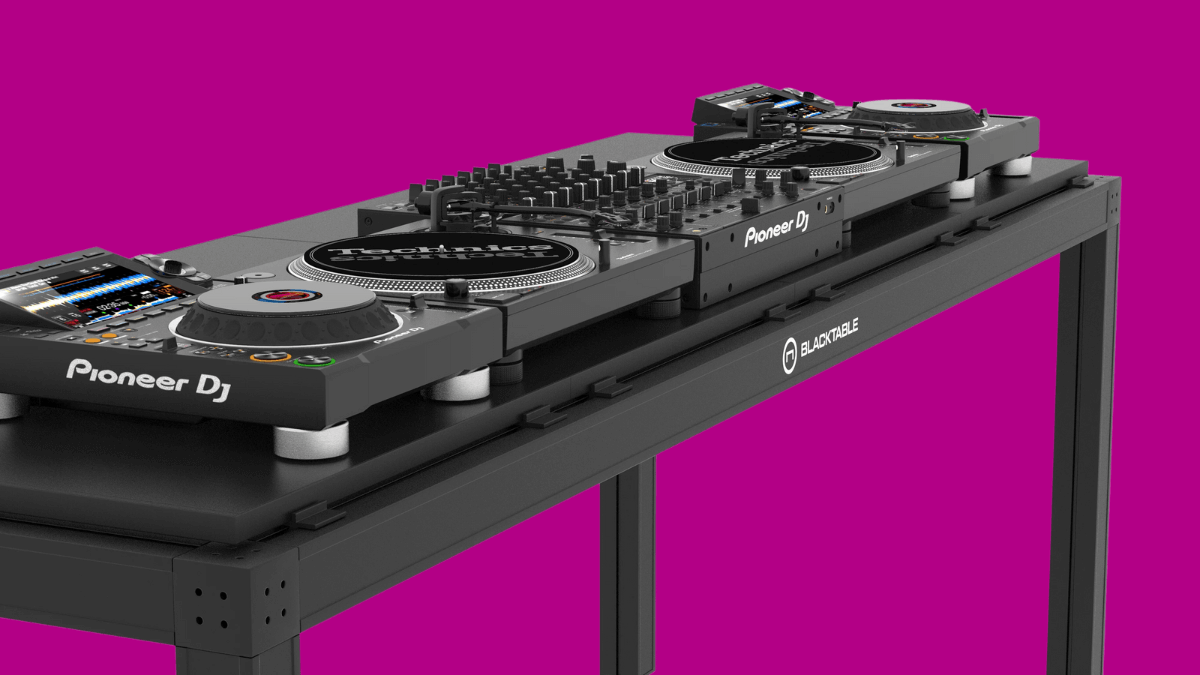
The history of EDM began as a niche subculture and is now a global phenomenon that has reshaped the music industry and influenced mainstream culture. Its origins can be traced back to the experimental sounds of the mid-20th century, but it wasn’t until the late 20th century that EDM truly found its footing and began to captivate audiences around the world.
Early EDM Experiments and Emergence
The seeds of electronic music were sown in the early 20th century with inventors and composers exploring the possibilities of electronic sound generation. One of the earliest examples of EDM history is the Telharmonium, invented by Thaddeus Cahill in the late 1800s. It generated sound using rotating tone wheels and was transmitted over telephone lines, allowing for remote performances.

Fast forward to the mid-20th century, and pioneers like Karlheinz Stockhausen and Pierre Schaeffer were experimenting with tape manipulation and musique concrète. These techniques involved manipulating recorded sounds and arranging them into compositions. Stockhausen’s Gesang der Jünglinge (1956) and Schaeffer’s Cinq études de bruits (1948) laid the foundation for the electronic soundscape that would later characterize EDM.
The History of EDM and the Birth of Dance Culture
The 1970s marked a pivotal era for electronic music and dance culture. The emergence of disco and the introduction of synthesizers paved the way for the fusion of electronic soundscapes and danceable rhythms. Giorgio Moroder’s work with Donna Summer, especially the iconic track I Feel Love (1977), demonstrated the power of electronic elements in creating infectious dance music.
Simultaneously, the development of DJ culture in New York City’s underground clubs was setting the stage for what would eventually become EDM’s massive festival scene. Early DJs like Frankie Knuckles, Larry Levan, and David Mancuso were instrumental in shaping the dance music community by curating and mixing tracks to create immersive and continuous musical experiences.

The Rise of Techno and House
As the 1980s dawned, electronic music began to diversify into various subgenres, two of the most influential being techno and house. Detroit, often credited as the birthplace of techno, saw artists like Juan Atkins, Derrick May, and Kevin Saunderson experimenting with synthesizers and drum machines to create a futuristic and mechanical sound. Tracks like Clear by Cybotron (1983) and Strings of Life by Derrick May (1987) exemplified the genre’s aesthetic.

At the same time, Chicago was giving birth to the house music movement. DJs and producers like Frankie Knuckles, Jesse Saunders, and Marshall Jefferson combined disco’s soulful vibes with electronic elements, creating a genre that emphasized a sense of unity and inclusivity on the dance floor. Knuckles’ remix of Your Love by Jamie Principle (1986) and Can You Feel It by Larry Heard (1986) are considered foundational tracks in the house genre.
The Global Spread of EDM and Commercialization
The late 1980s and early 1990s marked a period of expansion for electronic dance music. European countries, especially the UK and Germany, embraced the genre and gave birth to iconic raves and clubs. The Second Summer of Love in the UK (1988-1989) saw the explosion of acid house raves, with artists like The Prodigy, The Chemical Brothers, and Underworld gaining popularity.

Simultaneously, the underground rave scene was spreading across the United States, with cities like New York, Los Angeles, and San Francisco becoming hubs for electronic music culture. The adoption of ecstasy as a party drug at these events further solidified the connection between EDM and rave culture. If you do use ecstasy or other substances, stay safe by reading our blog Rave Without Regret: How to Party Like a Pro for harm reduction tips. 🙂
The commercialization of EDM gained momentum in the late 1990s and early 2000s, with artists like The Crystal Method, Fatboy Slim, and Paul Oakenfold achieving mainstream success. However, it was the 2010s that witnessed EDM’s unprecedented rise to global prominence.

The EDM Boom and Beyond
The 2010s were a defining decade for EDM. Festivals like Tomorrowland, Ultra Music Festival, and Electric Daisy Carnival drew massive crowds, and superstar DJs like Calvin Harris, David Guetta, and Avicii became household names. The incorporation of electronic elements into pop music further solidified EDM’s influence on the mainstream.

EDM’s popularity was also fueled by the rise of electronic subgenres like dubstep, trap, and future bass. Artists like Skrillex, Diplo, and Flume pushed the boundaries of sound, incorporating heavy bass drops and experimental production techniques that resonated with a younger generation of listeners.

Conclusion
Electronic Dance Music has come a long way from its experimental origins to becoming a global cultural phenomenon. From the early experiments with tape manipulation and synthesizers to the massive festival scenes and diverse subgenres of today, the history of EDM is a winding journey and has continuously evolved and adapted to the changing musical landscape. Its journey is a testament to the power of innovation, technology, and the unifying force of music that transcends borders and brings people together on dance floors around the world. As we look ahead, it’s clear that EDM will continue to shape and reshape the musical landscape for years to come.
Author: Claire Kennedy


