






Fashion
We’re drowning in fashion waste. Right now, we have enough clothing to dress the next six generations, yet fast fashion keeps cranking out more. ThredUp found that nearly 27 million brand-new festival outfits were expected to be bought for just one festival season—and one-third were going to be worn only once.
🚨 Fast Fashion Facts 🚨
🔥 One garbage truck full of clothes is burned or dumped in a landfill every second!
👕 Clothing production has more than doubled since 2000, with people buying 60% more clothes annually.
💧 It takes 700+ gallons of water to make just 1 cotton T-shirt—that’s enough to sustain 1 person for 900 days!
Let’s dive into some ways we can dress smarter and reduce our fashion footprint.

Join the sustainable style movement
Rave Responsibly: Buy, Sell, and Recycle
buy on Raveival

Browse
Browse our collection of pre-loved items.

Buy
Purchase from verified sellers across the country.

Verify
Verify items when they arrive to ensure quality.
Sell on Raveival

Post It (U.S. Only)
Take a few pics, answer some questions, and submit for review. (U.S. Only)

Ship It
After it’s sold, we’ll email you a prepaid shipping label.

Get Paid
Get 80% of the listing price when you sell.
when you can’t rent or buy secondhand, shop from these sustainable fashion brands

Avoid Greenwashing Brands
Freedom from Sustainability Scams
Greenwashing is a deceitful marketing tactic used to make products appear more environmentally friendly than they really are 😳 Greenwashing is a major obstacle to addressing climate change 😟
Want to spot the fakes? 🔎 The Good On You directory provides detailed information on brands’ sustainability practices and can help identify potential greenwashing claims.
Greenwashing signals

Imagery
Using eco-symbols ♻️ or images of the natural world 🪶

Ignoring the Full Lifecycle
Focusing on the production process while ignoring the impacts the come after
* example: decreasing fabric waste when making Polyester (plastic-based) clothing, which then sheds millions of microplastics when washed 🌊

Selective Disclosure
Focusing on some environmental attributes while ignoring other more harmful impacts
* example: using recycled plastic to make fast fashion. Learn more here.

No Evidence
Companies that claim to be sustainable but lack certifications 🥸
Sustainability Certifications to look for
The word “sustainable” is not regulated in business, meaning any business could claim to be sustainable. That is why it is very important to check if a company has any of these popular sustainability certifications, which are third-party verifications of sustainability claims ✅




How to wash festival wear
Washing tips to make your clothes last
Washing tips
- Use a GUPPYFRIEND Washing Bag to separate clothes made from synthetic materials (such as polyester, nylon, spandex).
Synthetic fabrics shed microplastics duing the wash cycle, which ultimately ends up in our rivers and oceans. These bags reduces fibre shedding during washing thereby protecting your clothes, and it reliably filters microplastic fibers out before they pollute water.
- Use the delicate cycle or hand wash 🫧
- Turn your dark garments inside out to preserve the color and prevent the print from cracking.
- Use cold water 💧
Cold water works just as well as warm water. Warm water will draw out some of the clothing dye, leading to the clothing fading. - Hang dry.
The heat from the dryer will ruin the clothing’s elasticity.
eco-friendly detergents
Some brands that are leaders in sustainable detergent are:
A large amount of detergent can actually make your clothes more dull and stiff. Instead, use 1/2 the prescribed amount of detergent and 1/2 a cup of baking soda, which acts as a detergent booster. This will make your clothes just as clean!

Recycle what can’t be reworn or repaired
Where to Recycle
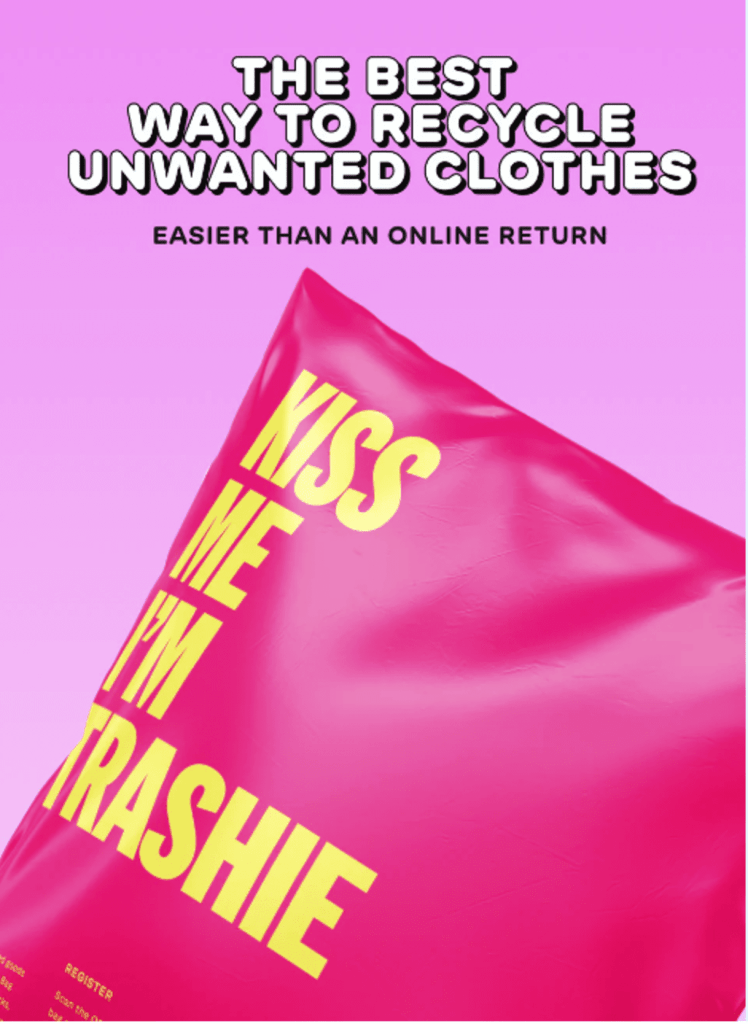
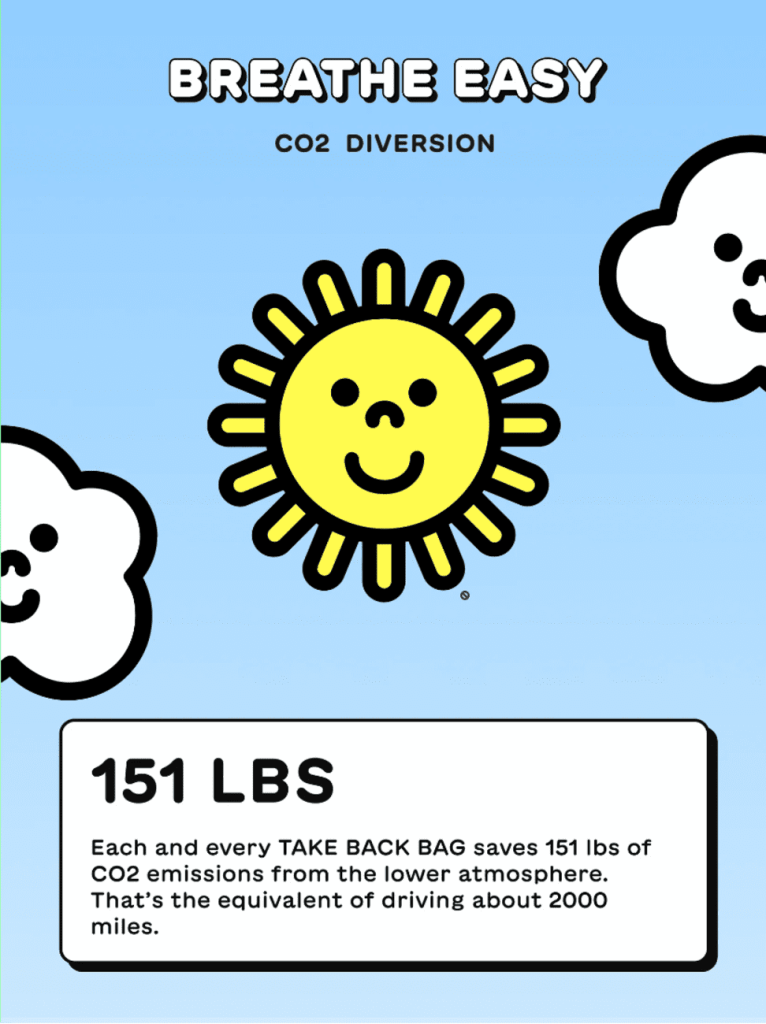
Suay Sew Shop and Trashie’s Take Back Bags are a great way to recycle unwanted clothes.



The Original Circular Festival Fashion Marketplace
.